OUR SERVICES

Incentive Travel and Motivation Programmes

Experiences That Recognise Achievement

Experiences That Recognise Achievement

Incentive travel brings employees, teams or business partners together to recognise achievement and support future motivation. A well-designed programme is more than a destination choice. It begins with clear business objectives, participation criteria, attendee expectations and the behaviour or achievement being recognised. MICE TURKEY can help shape the scope by connecting the travel experience to your organisation's aims. This gives participants a meaningful programme while supporting the organisation's approach to recognition and communication. The experience should feel considered and aspirational, with each element selected for its relevance to the audience and the purpose of the trip.

Fair and understandable criteria are important to the credibility of an incentive programme. Eligibility, timing, inclusions and communications should be explained accurately inside the organisation, and participants need a clear understanding of what to expect from selection onwards. No travel programme should be presented as a guaranteed way to increase business results. Instead, objectives, the quality of the participant experience and suitable measures for review can be agreed in advance. This creates a thoughtful way to recognise achievement, build shared memories and connect teams without reducing motivation to a single event or making claims that the programme cannot substantiate.


Destination and Programme Design

Destination and Programme Design

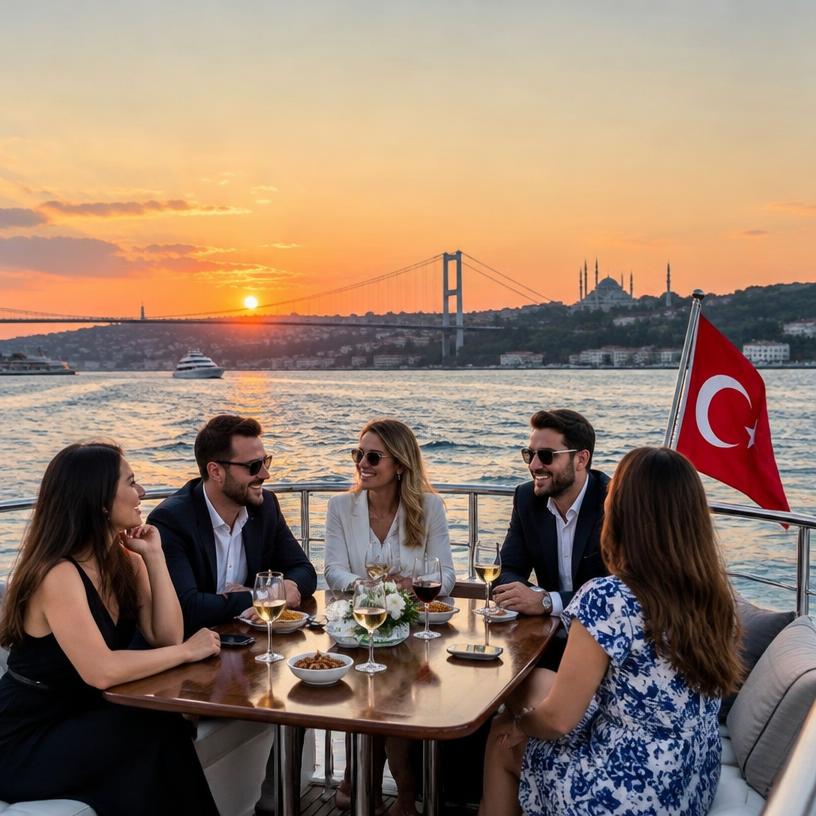
Destination selection depends on the audience, journey duration, departure points, season, budget, accessibility and the atmosphere the programme should create. Options may include a city stay, a coastal resort, a culture and gastronomy itinerary or an experience shaped by the outdoors. In Türkiye, İstanbul's city and cultural offer, Antalya's accommodation and event infrastructure, İzmir and its surrounding coastline, or the distinctive character of other regions may suit different briefs. Options should be compared against current availability and actual supplier proposals. The right destination is the one that fits the group and programme, rather than a place chosen for its name alone.

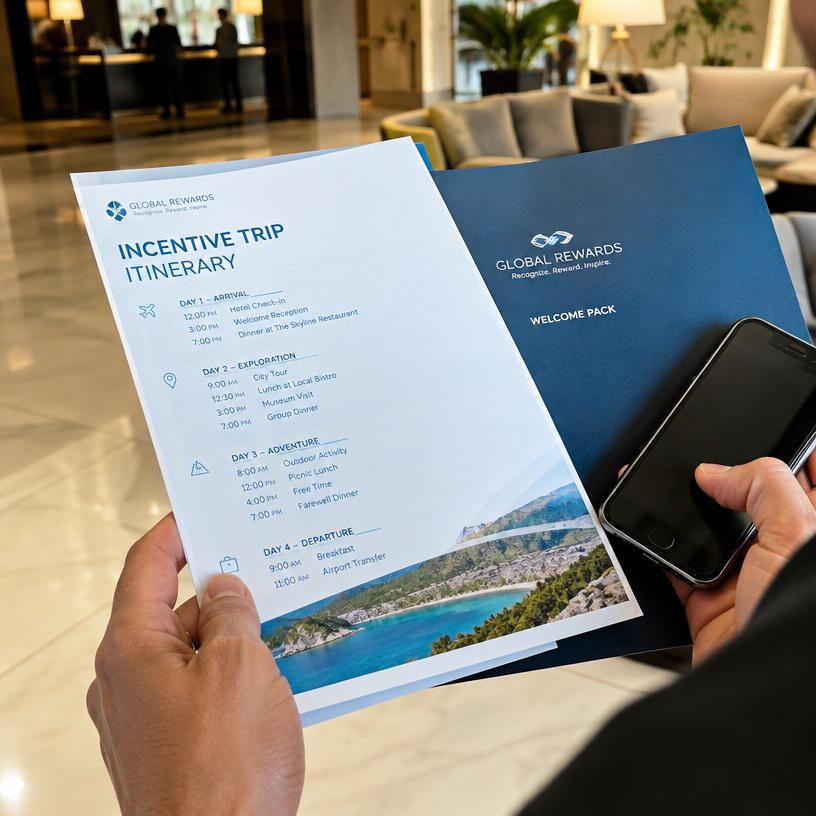
The itinerary should allow participants to enjoy the destination and spend time together. Arrival, welcome, transfers, hotel check-in, free time, group activities, a special dinner and departure all need to fit together. An agenda that fills every hour can become tiring; allowing time to rest and explore independently can improve the group experience. If a company message or recognition moment is included, it should sit naturally within the travel programme. Personal touches can reflect the theme and brand approach, provided they remain appropriate to the audience. A balanced itinerary creates room for both shared experiences and individual choice.

Travel and On-Site Coordination

Travel and On-Site Coordination

Logistics help group travel progress smoothly. Attendee lists, room allocations, flight and transfer information, special requirements, group communications and the latest itinerary are tracked through a coordinated process. Depending on the agreed scope, planning may include airport welcome, baggage arrangements, local transport, guiding, restaurant bookings, activity venues, meetings or an awards moment. Supplier confirmations, key contacts and timings are agreed in advance, and essential information is sent to participants in clear language and at the right time. This allows the client team to focus on priorities on site instead of handling repeated information requests.

Contingency planning and clear responsibilities matter on travel programmes. Communication and decision routes can be agreed for delays, weather conditions, service changes or differences in attendee numbers. Travel documents and entry requirements vary by individual and date, so participants should be directed to current official sources; no guarantee should be made about visas or border formalities. The scope for health, safety, insurance and emergency communications should be confirmed with the client and relevant providers. Preparation cannot remove every uncertainty, but it can help the team respond to change in a more organised way and keep participants informed.

Participant Value and Follow-Up

Participant Value and Follow-Up

The lasting value of an incentive programme depends in part on how well it fits participants and the organisation's culture of recognition. Pre-trip information should set realistic expectations about the destination and itinerary and answer practical questions about travel, accommodation and daily arrangements. Activities that encourage interaction may be included, but they should not be assumed to suit everyone or be made compulsory without a reason. Considering mobility, dietary, language and rest requirements in advance supports a more inclusive experience. Thoughtful communications help participants feel prepared, while a consistent programme gives the group room to connect and enjoy the reward.

After the trip, attendance, programme flow, supplier delivery, budget performance and attendee feedback can be reviewed. This assessment does not claim to prove that travel alone caused a business outcome; it gives the organisation learning to shape future programmes. Sustainability may also be considered through transport choices, local services, resource use and waste, according to the brief. MICE TURKEY works with you to develop an incentive travel programme suited to your audience and recognition period. Share your initial idea, preferred dates and participant profile to begin defining the scope and the coordination the programme will require.

Participant Communications and Programme Review

Participant Communications and Programme Review

Communication influences how participants prepare for and experience an incentive trip. Eligibility, inclusions, personal expenses, required documents and the pace of the itinerary should be shared in clear language. Timely information about the destination, weather, suggested clothing, meeting points and contact channels can reduce uncertainty. Messages should fit the organisation's tone and the purpose of the recognition programme. They should explain why the trip is being held and what participants can expect without creating exaggerated promises. Clear communication also helps participants understand their responsibilities before departure.

After the trip, the attendee experience, travel and accommodation flow, itinerary balance, local supplier delivery and budget results can be reviewed. If the organisation has performance or behaviour measures, the review cannot prove that travel alone caused a result; findings need to be considered in the wider business context. Feedback can be gathered in the format the organisation prefers. Lessons learned may inform destination, itinerary, communications and criteria for the next incentive period. This allows each trip to contribute to a developing recognition approach rather than being treated as an isolated reward.

TELL US ABOUT YOUR PROJECT