OUR SERVICES

Congress, Conference and Exhibition

Events That Enable Knowledge and Collaboration

Events That Enable Knowledge and Collaboration

Congresses, conferences and exhibitions serve different purposes, yet share one requirement: many stakeholders must work towards a common objective with the right information at the right time. At a scientific congress, the academic programme and delegate experience may take priority; a corporate conference may focus on strategic messages and content flow; an exhibition depends on the interaction between visitors, exhibitors and the show floor. MICE TURKEY shapes the scope by understanding the event format and the organiser's expectations. This helps ensure that strong content is supported by an operational plan that can be delivered in practice.

At the start, we clarify the audience, scale, format, date range, city and venue requirements, budget and approval process. National or international attendance can affect language, travel, registration, accommodation and communication needs. A face-to-face, online or hybrid format also changes the technical and operational scope. We connect each choice to the event's purpose and identify stakeholder responsibilities and approval points. The result is a coordinated structure in which content, logistics and attendee communications are planned together, rather than a collection of unrelated services. This gives the organiser a clearer view of decisions, dependencies and the work required before the event can open.

Congress and Conference Planning

Congress and Conference Planning

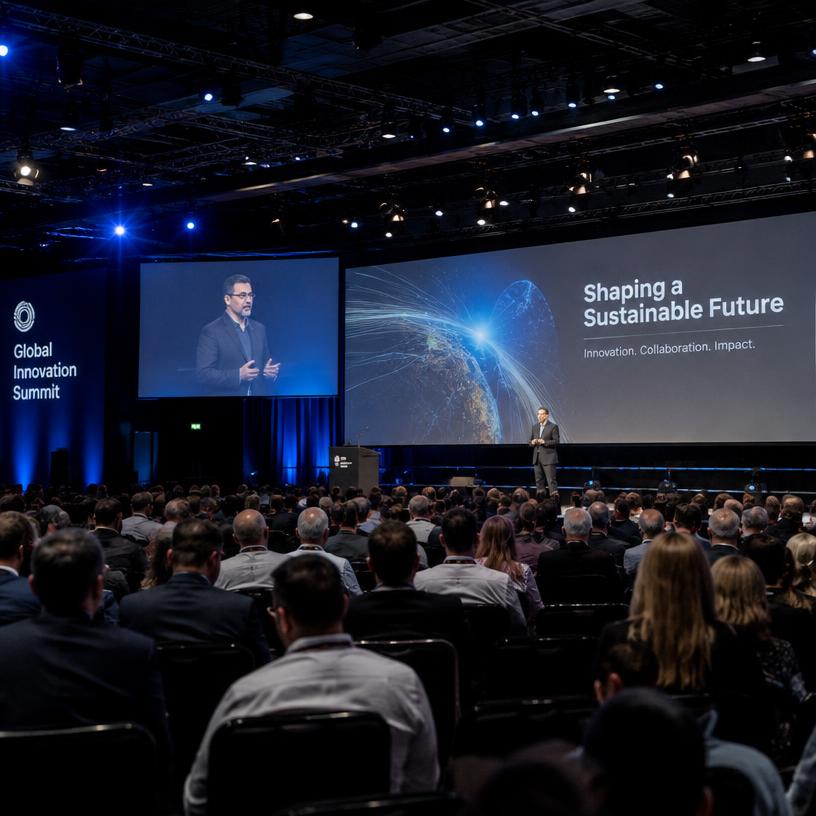
For a congress or conference, programme development, speaker and session coordination, registration and effective use of the venue influence one another. Depending on the scope, planning may include session rooms, concurrent tracks, opening and closing sessions, a speaker ready room, technical rehearsal, wayfinding and catering. For academic or specialist events, abstract and content workflows may be treated as a separate workstream; the responsibilities and scope for these tasks should be agreed at the outset. The aim is a programme that delegates can follow, speakers can deliver and the organising institution can manage with a clear view of progress.

Registration and delegate information should use a consistent voice from the invitation or call for participation through to post-event communication. Delegate types, registration categories, deadlines, required information, accessibility requests and cancellation terms need clear definitions. Speaker session details, presentation deadlines, technical requirements and event-day travel are tracked in an organised way. When the programme changes, current information must reach the people who need it. These practices help a content-rich event run more predictably and allow the organising team to focus on important coordination points instead of answering the same avoidable questions repeatedly.

Exhibition Floor and Operational Delivery

Exhibition Floor and Operational Delivery

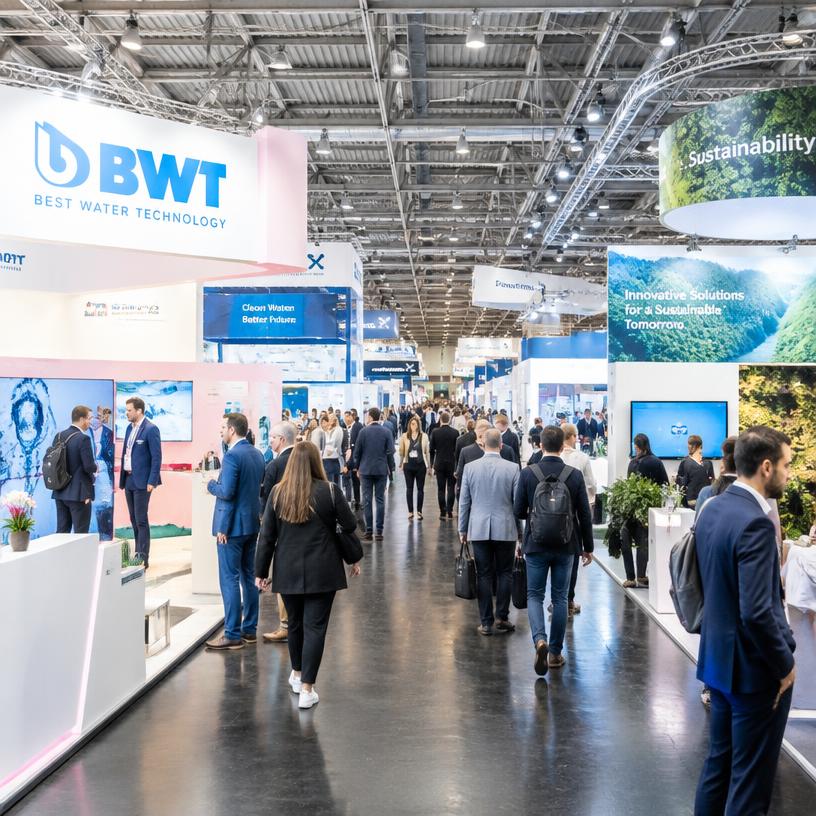
An exhibition must balance the visitor journey with the needs of exhibiting companies in a shared venue. The floor plan, stand positions, visitor circulation, entrances and registration, loading and unloading windows and the use of shared spaces should be considered together. Exhibitor technical guidance can set out dimensions, build-up and breakdown schedules, power and internet requirements, safety rules, waste procedures and communication channels. Sponsor visibility, presentation areas and concurrent events may also form part of the plan. Each element should make it easier for visitors to explore the show and help exhibitors meet relevant audiences in a well-organised setting.

Pre-show coordination with suppliers and exhibitors is essential to reduce operational friction. Stand drawing approvals, technical orders, freight timings, staff access, accreditation, cleaning and security arrangements are connected to a clear schedule. On show days, named contacts can coordinate visitor flow, wayfinding, technical assistance, stage activity and emergency communications. Exhibition performance can be reviewed through more than visitor numbers: exhibitor objectives, meeting quality, floor use and operational feedback may also be relevant. Useful reporting and feedback give the organiser a stronger basis for planning the next edition and refining the experience for visitors and exhibitors.

Technology, Accessibility and Responsible Delivery

Technology, Accessibility and Responsible Delivery

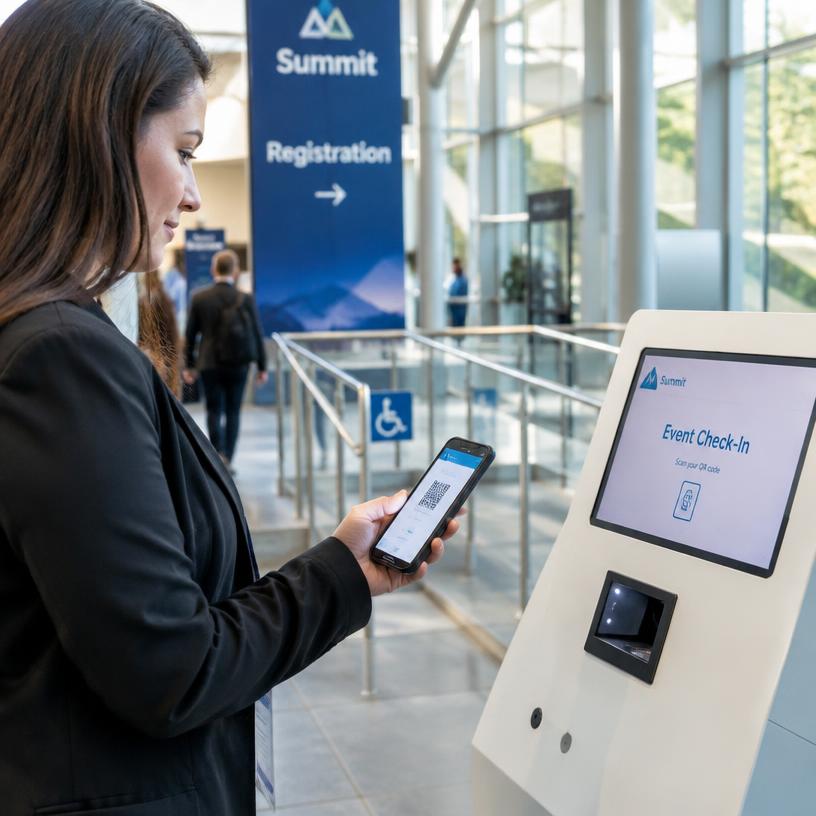
Current congress and exhibition programmes can use digital tools to support the physical venue. Online registration, event apps, live content, remote participation or hybrid broadcasts are most useful when they serve the audience and programme. Technology choices should be assessed alongside connectivity, data and content security, technical support, backup arrangements and user experience. Digital tools can also simplify registration and wayfinding at face-to-face events. Instead of adding technology without a clear purpose, we identify solutions that make information easier to access and coordination easier for the organising team.

Accessibility and sustainability are planning considerations, not final checks added on event day. Depending on the event, the team may consider transport options, room layout, wayfinding, readable presentations, sign language or captioning, dietary requirements and waste management. Clear supplier responsibilities and client approvals make these choices easier to follow through. In Türkiye, İstanbul, Antalya, İzmir, Ankara and other destinations offer different venue and transport options; the right choice depends on the audience, dates, budget and programme. Share your congress, conference or exhibition brief with MICE TURKEY, and we can define the scope and coordination requirements together.

Consistent Communication Across Stakeholders

Consistent Communication Across Stakeholders

As a congress or exhibition grows, information flow between the organiser, content team, speakers, delegates, sponsors, exhibitors, venue and suppliers becomes increasingly important. A communications calendar may cover registration opening, programme announcements, speaker briefings, delegate deadlines, exhibitor build rules and event-day wayfinding. Each message should have a defined audience, approver and publication date. This helps prevent different groups from receiving unnecessary or conflicting information. Keeping current information in an agreed place also makes it easier for on-site teams to work from the same schedule and respond to changes.

International events require additional attention to language and local context. Session names, time zones, currencies, name spellings, wayfinding language and cultural expectations should be checked consistently. Sponsor and exhibitor visibility should follow the agreed scope, and delivery commitments should be tracked. Accessibility information and venue directions must be clear to delegates. When content, operations and communications teams use a shared calendar, they can better manage late changes, understand who has received which information and record key decisions. This coordination supports a more reliable experience for everyone involved.

TELL US ABOUT YOUR PROJECT