OUR SERVICES

Destination and Travel Management

Planning Starts with the Right Destination

Planning Starts with the Right Destination

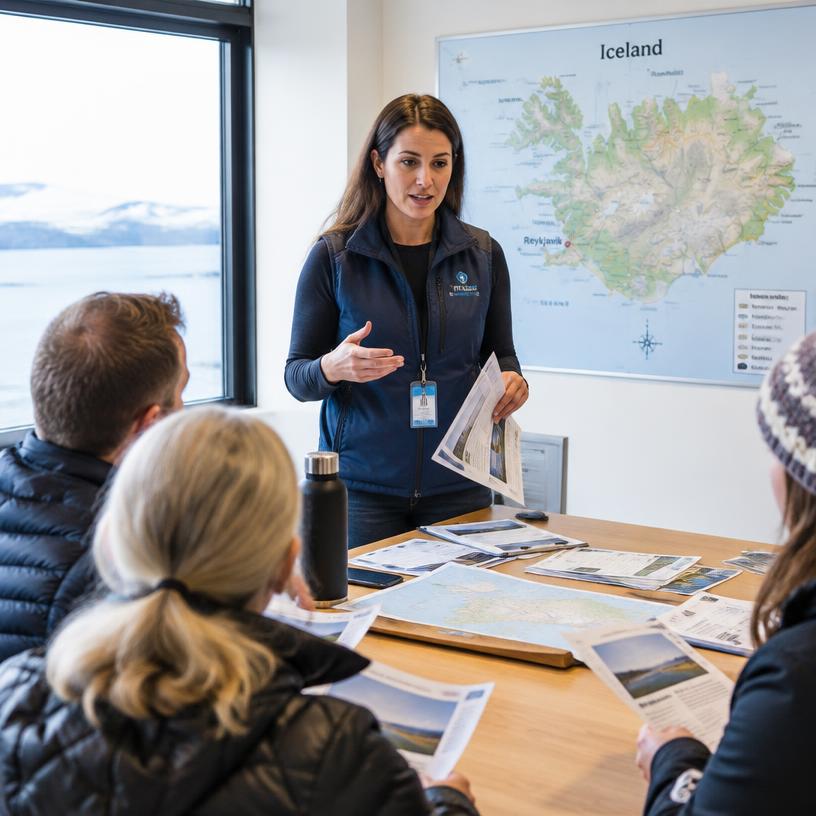
The destination for a corporate event is more than a city marked on a map. Transport links, accommodation, meeting and event venues, local services, season, attendee profile and budget should be considered together. MICE TURKEY helps compare destination options by understanding your event objectives and travel expectations. A short meeting in a city centre, a programme across several locations or an overnight group trip will each have different requirements. When the early choices are well considered, the logistics that follow become easier to understand and manage. Destination decisions should support the event, not become a separate exercise disconnected from its purpose.

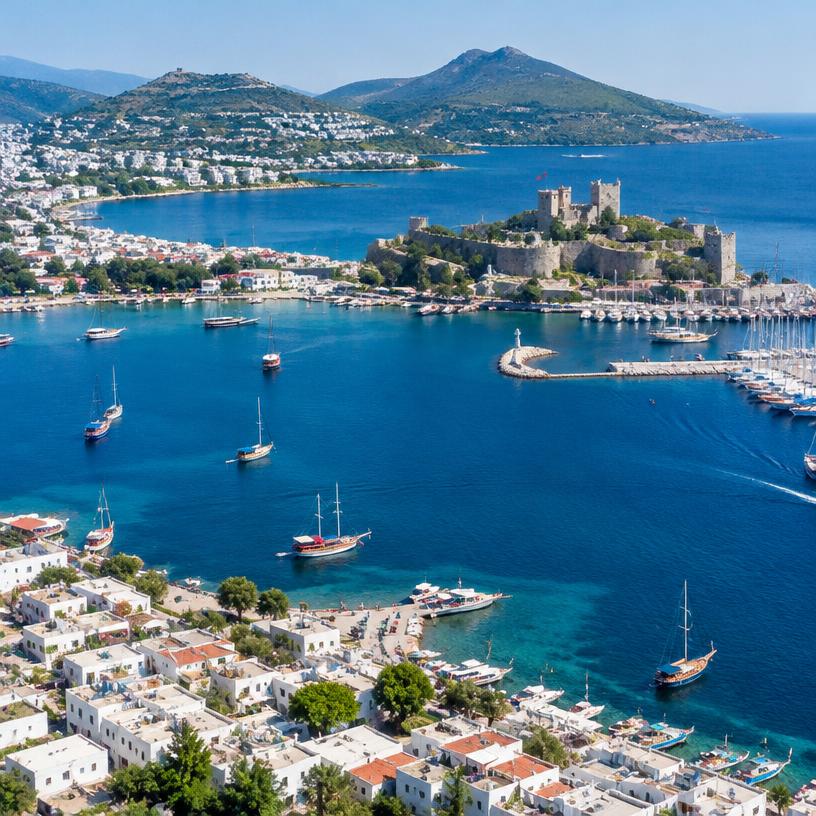
Türkiye offers meeting, accommodation, culture, coastline and gastronomy options across İstanbul, Antalya, İzmir, Ankara and other regions. However, no destination suits every event. Flight timings, transfer duration, city traffic, meeting capacity, seasonal demand, group size and the amount of free time expected by participants all need realistic consideration. Comparisons should rely on venue and service options verified for the event dates, rather than broad promotional statements. When the destination and programme purpose are considered together, travel can become an element that supports the event's objectives. The choice should be based on the experience the group needs and the practical conditions of delivery.
Accommodation, Transport and Group Logistics

Accommodation, Transport and Group Logistics

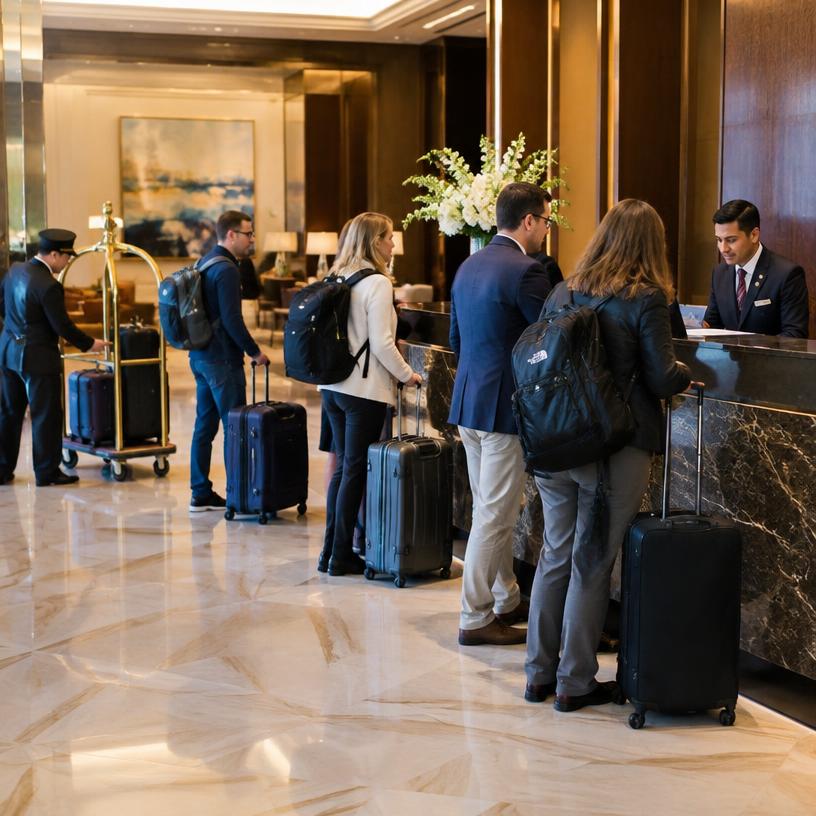
Accommodation and transport decisions directly affect the attendee experience and event schedule. Hotel location, room types and allocations, check-in and check-out times, breakfast, access to meeting facilities and suitable options for different needs should be reviewed together. Flight or arrival details, transfer capacity, baggage arrangements, welcome points and vehicle timings are matched within one plan. Depending on the agreed scope, airport transfers, local transport, group wayfinding and daily meeting points can be coordinated. Information shared with participants should be current and easy to follow at every stage of the journey. A clear plan reduces uncertainty for both the organiser and the group.

Rooming lists, flight details and special requests should be handled only for necessary coordination and in line with agreed responsibilities and access controls. Changes in attendee numbers can affect hotel allocations, transfer capacity and booking terms, so their implications should be reviewed promptly. A single transfer arrangement may not suit a group arriving at different times; options can be compared for time, cost and comfort. Contact points and communication routes for delays or service changes should be identified in advance. This helps the event team maintain a practical overview of where participants need to be and when, without overcomplicating the travel plan.

Local Experiences and On-the-Ground Delivery

Local Experiences and On-the-Ground Delivery

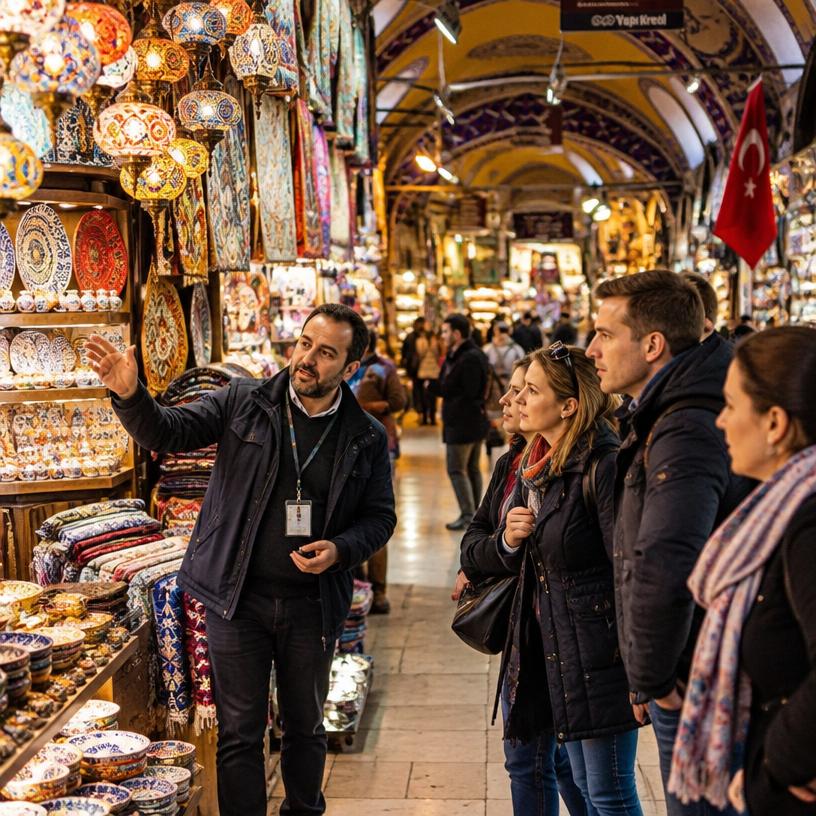
Destination management brings local knowledge and services into a programme that supports the event's purpose. A city visit, cultural stop, food experience, group dinner, team gathering or transport plan tailored to a venue can help participants discover the destination and add variety to the schedule. These options should be assessed against the audience, available time, mobility, weather and budget. Guiding and local supplier requirements are planned alongside language and content expectations. Local experiences should do more than fill spare time: they can create a meaningful connection between the programme's objectives and the character of the destination, when selected with care.

For on-the-ground delivery, the current itinerary, contact details, supplier confirmations, meeting points and movement timings are shared with the relevant teams. A welcome desk, wayfinding, group leader communications, transfer lists and support points at an event venue can be arranged according to need. Clear and visible directions help larger groups reach sessions on time. Alternative routes or indoor options may be considered in light of the season and activity. Coordination depends on a reliable flow of information between local providers and the client's event team. The scope and responsibilities for each service should be agreed in advance so that everyone understands who is handling each part.

Safety, Accessibility and Responsible Destination Choices

Safety, Accessibility and Responsible Destination Choices

Participant safety, clear information and essential needs are central to travel and destination planning. Destination and supplier choices should be assessed alongside journey times, venue conditions, emergency contacts, insurance scope and service agreements. Official travel advice, visa and entry requirements can vary by person, nationality and date, so participants should be directed to current authoritative sources. The website should not imply a guarantee or individual legal advice on these matters. Pre-travel information should explain meeting points, emergency contacts and the channels used to communicate programme changes. Clear preparation helps participants understand what to expect without promising that every travel condition can be controlled.

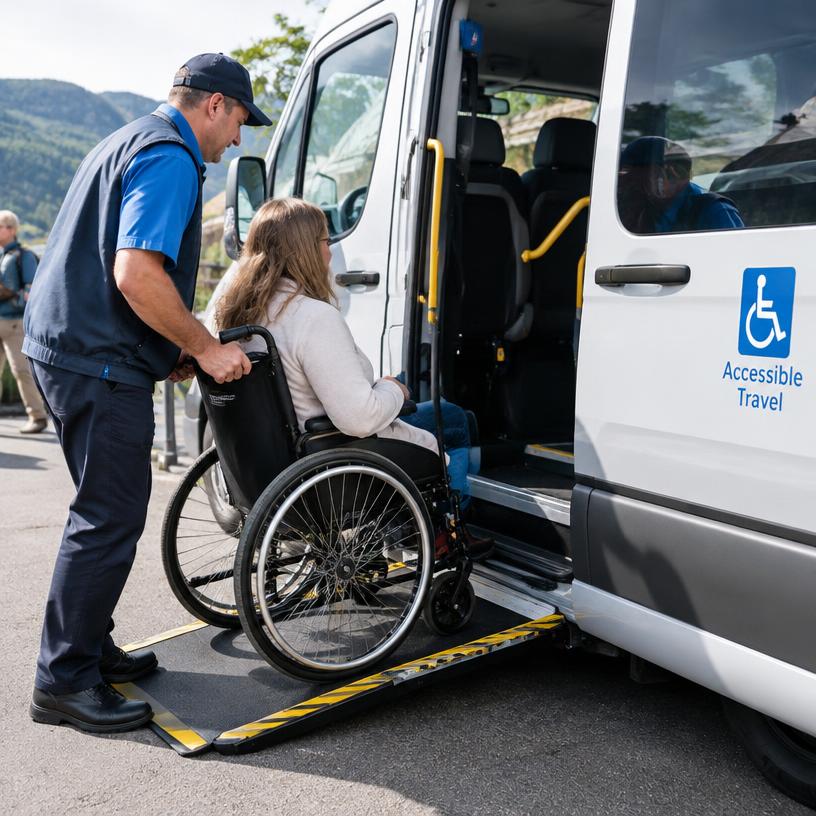
Accessible transport and venues, different mobility or sensory needs, dietary preferences and language support should be identified early and planned through realistic options. A responsible destination approach may also consider local suppliers, resource use, waste, group mobility and community impact in proportion to the event. The same solution will not suit every programme, so priorities are agreed with the client and feasible actions are reflected in supplier scopes. MICE TURKEY can help coordinate destination selection and travel requirements with the wider event plan. Share the dates, attendee profile and travel scope to review destination options and logistical needs together.

Pre-Travel Information and Communications

Pre-Travel Information and Communications

Pre-travel information brings together the essentials participants need to follow the programme with confidence. Tickets, meeting times and points, baggage guidance, hotel address, transfer contact, daily itinerary and emergency details should be shared clearly. Participants also need to know where to find the latest version if details change. The channel for support with personal travel documents or special requests should be explained in advance. Language should be straightforward; technical terms, abbreviations and place names in different languages may need clarification so that people can act on the information without confusion.

During travel, one communication structure can help group leaders, local providers and the client team stay coordinated. Contacts for participant questions, working hours and emergency routes should be agreed. Programme changes should be sent to the people who need them, at the right time and in clear language. If a group has different flights or sub-programmes, each participant should be able to find their own movement plan. This approach also helps avoid unnecessary sharing of personal information. After delivery, feedback and supplier notes can inform future programmes.

TELL US ABOUT YOUR PROJECT